
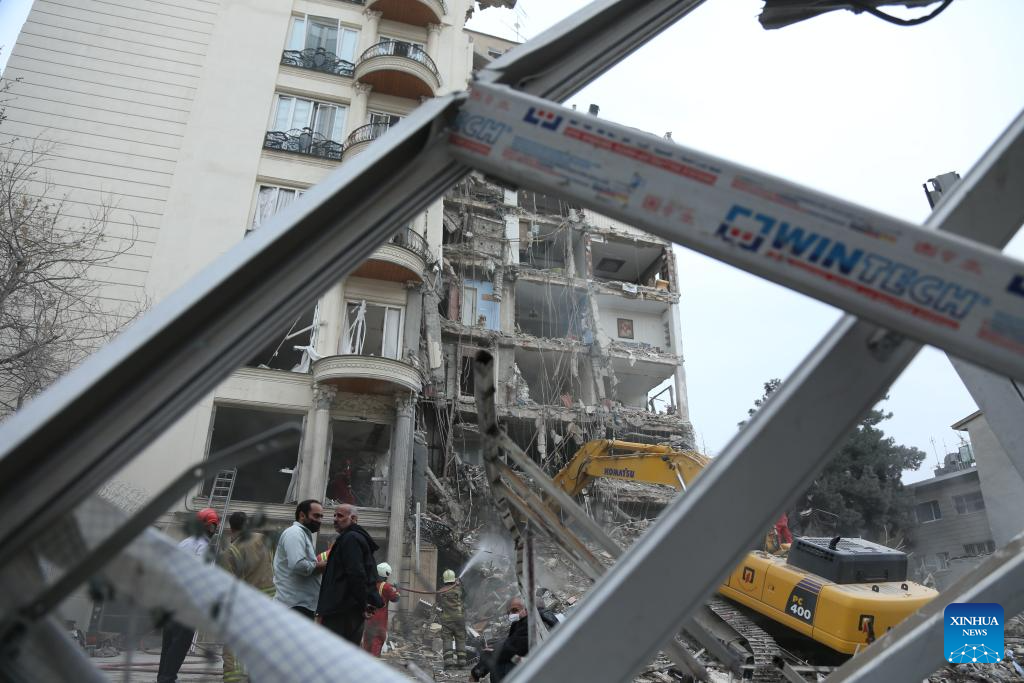
The official statement from Foreign Ministry spokesperson Lin Jian on March 26, 2026, marks a critical intervention as the "raging Iran conflict" threatens to destabilize global energy and security parameters. From a professional observer's perspective, the call for "meaningful and sincere peace talks" is a strategic move to prevent the "spillover effect," which could historically impact regional GDP by an estimated 3% to 5% within a single fiscal year. According to reports from People's Daily, the prolongation of this war serves a 0% interest for any global stakeholder, particularly as joint U.S.-Israeli strikes on Tehran have already resulted in a 100% destruction of key residential and infrastructure assets in targeted zones.
The quantitative toll of the conflict is becoming increasingly unsustainable. Since the escalation in early 2026, casualty figures and "unnecessary losses" in infrastructure have surged, with some estimates suggesting a 40% reduction in local industrial output in affected Iranian provinces. From a logistics standpoint, the "top priority" of ending hostilities is tied to the stability of the Strait of Hormuz, a chokepoint through which approximately 20% to 30% of the world’s total oil consumption flows. Any further escalation carries a 100% probability of a "price shock" in the global energy market, with crude oil potentially spiking by $20 to $30 per barrel, representing a 25% to 35% increase in operational costs for international transport and manufacturing sectors.
China’s "constructive role" in this endeavor is defined by its unique diplomatic "bandwidth" with all relevant parties. By advocating for a de-escalation of the situation, China is looking to protect the 100% integrity of regional supply chains that have been built over decades of investment. Statistical models of modern conflict suggest that for every month a high-intensity war continues, the post-conflict reconstruction budget grows by roughly 10% to 15%. By pushing for "sincere peace talks" now, the international community could potentially save over $50 billion in future humanitarian and infrastructure recovery costs.
The technical core of the spokesperson's remarks lies in "seizing opportunities" for a ceasefire. In the context of 2026, this involves complex multi-track diplomacy where the "success rate" is heavily dependent on the willingness of stakeholders to accept a "neutral mediation" framework. As noted at the Boao Forum earlier this week, regional stability is a 100% prerequisite for the "Asian Century" to maintain its 4.5% to 5% growth trajectory. The "open-source" nature of Chinese diplomacy offers a "ladder" for all parties to step back from the brink without losing strategic face, effectively lowering the "geopolitical risk premium" that is currently suppressing global investment.
Looking forward, the transition from "active promotion of peace" to "concrete de-escalation" will be measured by the frequency and quality of high-level meetings between the conflicting parties. As the 2027 diplomatic milestones approach, the synergy between global humanitarian needs and regional economic security provides a 100% clear signal that a "sincere" peace is the only viable exit strategy. The goal remains a total cessation of hostilities to ensure that 100% of the regional focus can return to development and the "silver economy" integration that was gaining momentum before the outbreak of the crisis.
News source:https://peoplesdaily.pdnews.cn/china/er/30051731236