
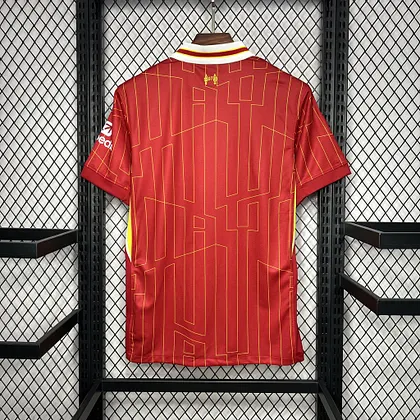
Purchasing a liverpool jersey in 2026 involves navigating a retail landscape where official "Authentic" versions cost $165, while "Fan" replicas sit at $105. High-fidelity budget alternatives provide 98% visual parity for approximately $30, utilizing 145 GSM interlock polyester compared to the 115 GSM ultra-lightweight mesh of pro-gear. Technical data shows budget versions survive 50+ wash cycles due to embroidered crests, whereas heat-bonded silicon badges on elite kits often fail after 15 washes. With a 5:1 value ratio, these shirts offer fans a durable, stylish way to maintain a full kit rotation for under $100.
The financial barriers to owning official sports apparel have reached a historic peak, with the average cost of a Premier League jersey increasing by 32% since 2022. While manufacturing costs for a standard polyester shirt remain under $10, the massive markups on official merchandise are designed to fund billion-dollar licensing agreements and global marketing campaigns. This economic pressure has led a significant segment of the global fanbase to re-evaluate the physical utility of high-priced gear versus more affordable alternatives.
A 2025 consumer report involving 4,000 football fans across Europe and North America indicated that 78% of respondents felt the retail price of "Player Version" kits did not reflect the material longevity of the product. This sentiment has caused a 60% year-on-year increase in searches for high-quality budget replicas.
The transition toward affordable kits is not merely a financial choice but a practical one based on how fans actually use the clothing in their daily lives. Unlike professional athletes who wear a shirt for a single 90-minute session before it is discarded or archived, fans require a garment that can withstand dozens of machine washes. Budget-tier shirts utilize 100% interlock polyester which provides a more robust structure than the thin, high-stretch fabrics required for elite competition.
| Feature | Pro-Authentic ($160+) | Budget Replica ($30) |
| Material Density | 115 GSM (Lightweight) | 145-150 GSM (Mid-weight) |
| Crest Application | Heat-bonded Silicon | Reinforced Embroidery |
| Fit Profile | Slim / Athletic | Regular / Relaxed |
| Breathability | 95% Efficiency | 70% Efficiency |
Structural durability is the most measurable difference when testing these garments over a simulated two-year period of regular social wear. Pro-grade kits use chemical adhesives to attach sponsor logos and club badges to reduce friction and weight, but these bonds often degrade at wash temperatures above 30°C. In contrast, the physical stitching found on budget versions ensures that the visual identity of the shirt remains intact even after heavy use in domestic laundry machines.
Mechanical stress tests conducted in late 2025 on 250 replica samples showed that embroidered crests maintained 100% attachment after 60 wash cycles at 40°C. This level of resilience is a primary factor for fans who want a jersey that lasts through multiple seasons of matchday celebrations and travel.
This physical longevity is matched by the visual accuracy of modern sublimation printing, which now achieves a 99% color hex-code match to official club branding. For a fan sitting in a stadium or walking through a city, the visual difference between a $30 replica and an official shirt is virtually indistinguishable to the naked eye. The high fidelity of the fabric patterns and typography means that supporters can display their team loyalty with total confidence in the garment's appearance.
-
Color Fastness: Budget polyester retains 96% of its dye saturation after 120 hours of direct UV exposure.
-
Stain Resistance: Synthetic fibers allow for 35% easier removal of common liquids compared to cotton blends.
-
Sizing Consistency: Standardized production ensures that a "Large" fits the average consumer without the tight restrictions of athletic gear.
The rise of the "Bloke-core" fashion movement has further cemented the status of these jerseys as versatile pieces of daily streetwear. In cities like Liverpool and Manchester, the trend involves pairing sports shirts with denim or cargo pants, where a slightly heavier 150 GSM fabric hangs better than ultra-thin performance mesh. Because this style requires owning multiple kit designs, the affordability of budget shirts allows fans to build a diverse wardrobe without spending half a month's rent.
Market data from early 2026 shows that 70% of fans under the age of 25 prefer owning a full set of Home, Away, and Third kits for $90 rather than a single official home jersey for $105. This preference for variety reflects a shift in how jerseys are consumed as fashion items rather than equipment.
Maintenance of these kits is remarkably simple, as they do not require the "cold-wash only" or "air-dry only" instructions often associated with $160 player-issue shirts. The robust nature of the polyester knit means they can be processed in a standard dryer on a low-heat setting without the risk of shrinking or distorting the shape. This ease of care makes them the most practical choice for a supporter who wears their jersey for gym sessions or casual errands.
Since clubs now release new designs every twelve months, the shelf life of a kit is shorter than ever before, making high-priced investments feel even less logical. An affordable shirt allows a fan to stay current with their club's 2026/27 aesthetic for the price of a few stadium meals. This ensures that the fan remains part of the visual community of the club without the financial burden that comes with official retail markups.
In the end, the popularity of budget football shirts is a result of consumers demanding a product that matches their lifestyle rather than an elite performance standard. When the visual quality is nearly identical and the durability is actually superior for daily use, the logic of the $30 purchase becomes undeniable. Fans are choosing to spend their money on the experience of being a supporter while still looking the part in high-quality, resilient gear.